


On October 22, CAMPILLO took part in Vogue Mexico's Día de Muertos Gala 2026, presented by Calzedonia, dressing some of the evening's most notable male guests, including Luis Gerardo Méndez, El Malilla, Magdaleno Delgado, Tonatiuh, and the brand's founder and creative director, Patricio Campillo.
This year's celebration, Espíritu Monumental: Miradas al Muralismo Femenino, honored the legacy of Mexican women muralists and their contributions to the country's artistic history. The theme invited guests to explore the relationship between art, culture, and personal expression through fashion.
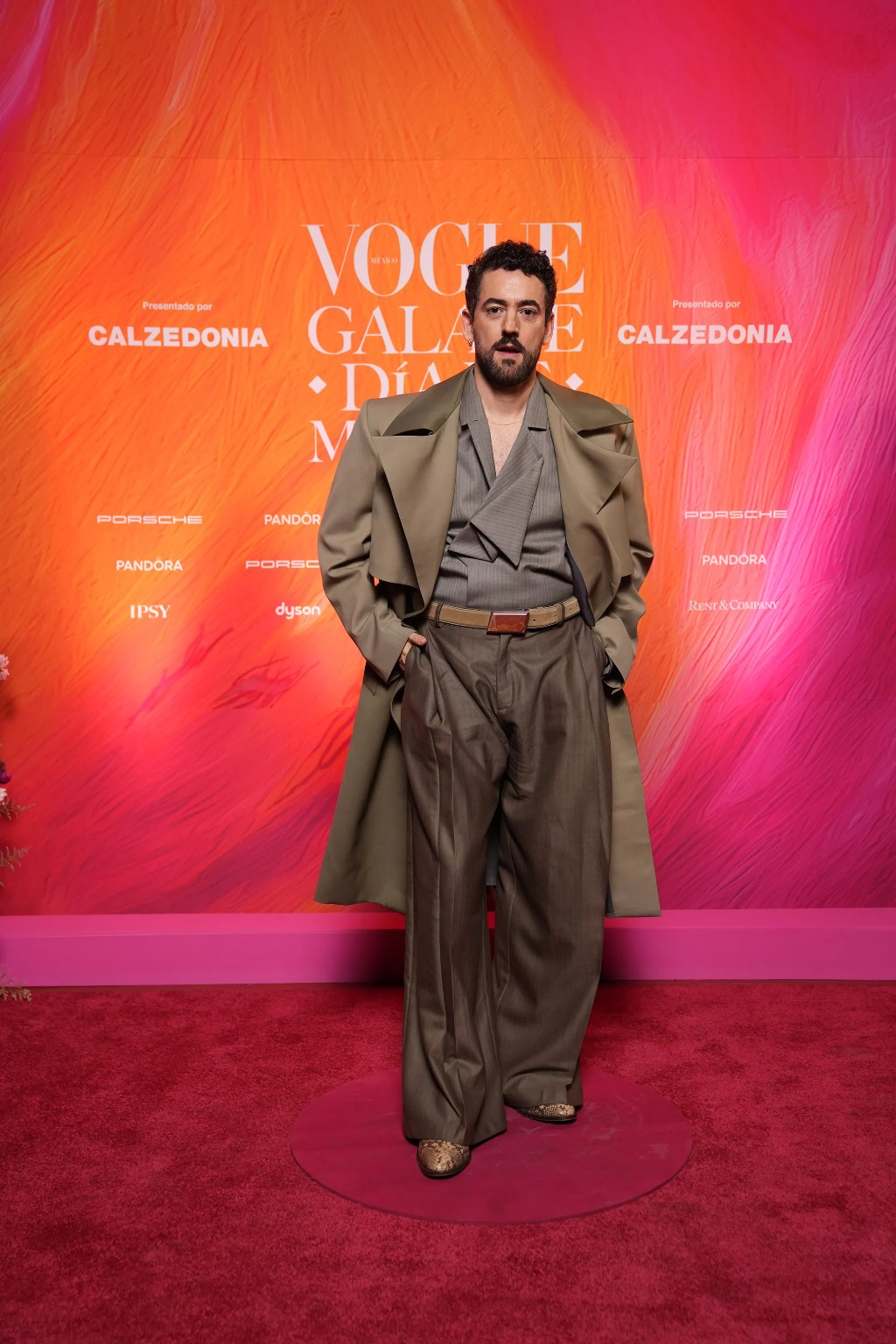
For CAMPILLO, the occasion became an opportunity to bring its distinctive interpretation of Mexican charro traditions to the red carpet, offering a different perspective on contemporary menswear. Moving beyond conventional formal tailoring, each look reflected the individuality of its wearer while remaining connected to the brand's design language.
Among the evening's co-hosts, actor Luis Gerardo Méndez wore a full CAMPILLO look, bringing his own personality to the brand's contemporary interpretation of charro-inspired tailoring.
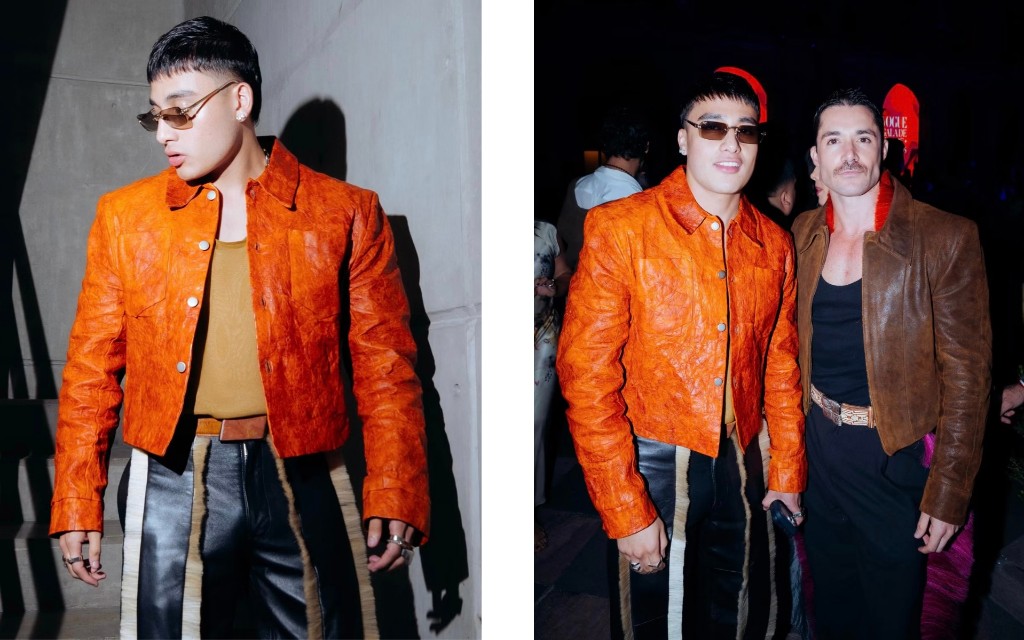
Making his debut at the gala, Mexican artist El Malilla wore a look straight from CAMPILLO's Spring/Summer 2027 runway, recently presented at New York Fashion Week. The outfit featured a burnt-orange cropped jacket, trousers with horsehair detailing, a silk top, and an onyx belt. The look brought together elements of traditional charrería and a contemporary approach to dressing.
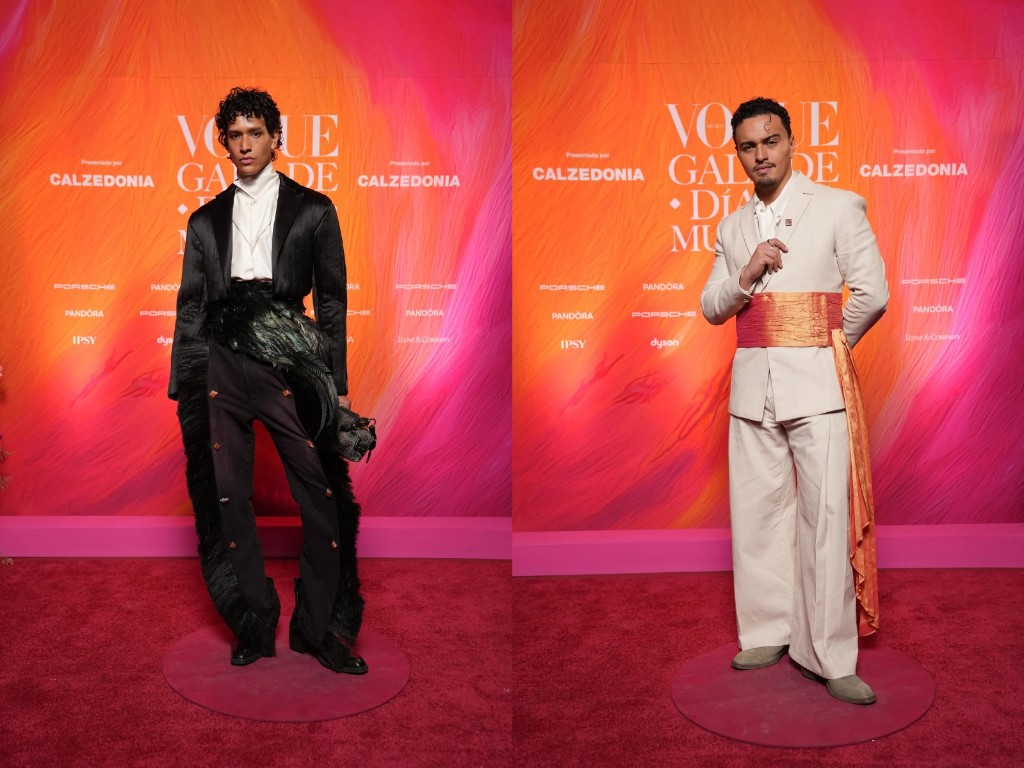
The brand's presence extended throughout the evening with Magdaleno Delgado wearing pieces from CAMPILLO's archives, while Tonatiuh appeared in a custom-made look created by the house. Patricio Campillo also attended wearing a look from the brand's latest Spring/Summer 2027 collection, bringing another expression of its evolving design identity to the celebration.
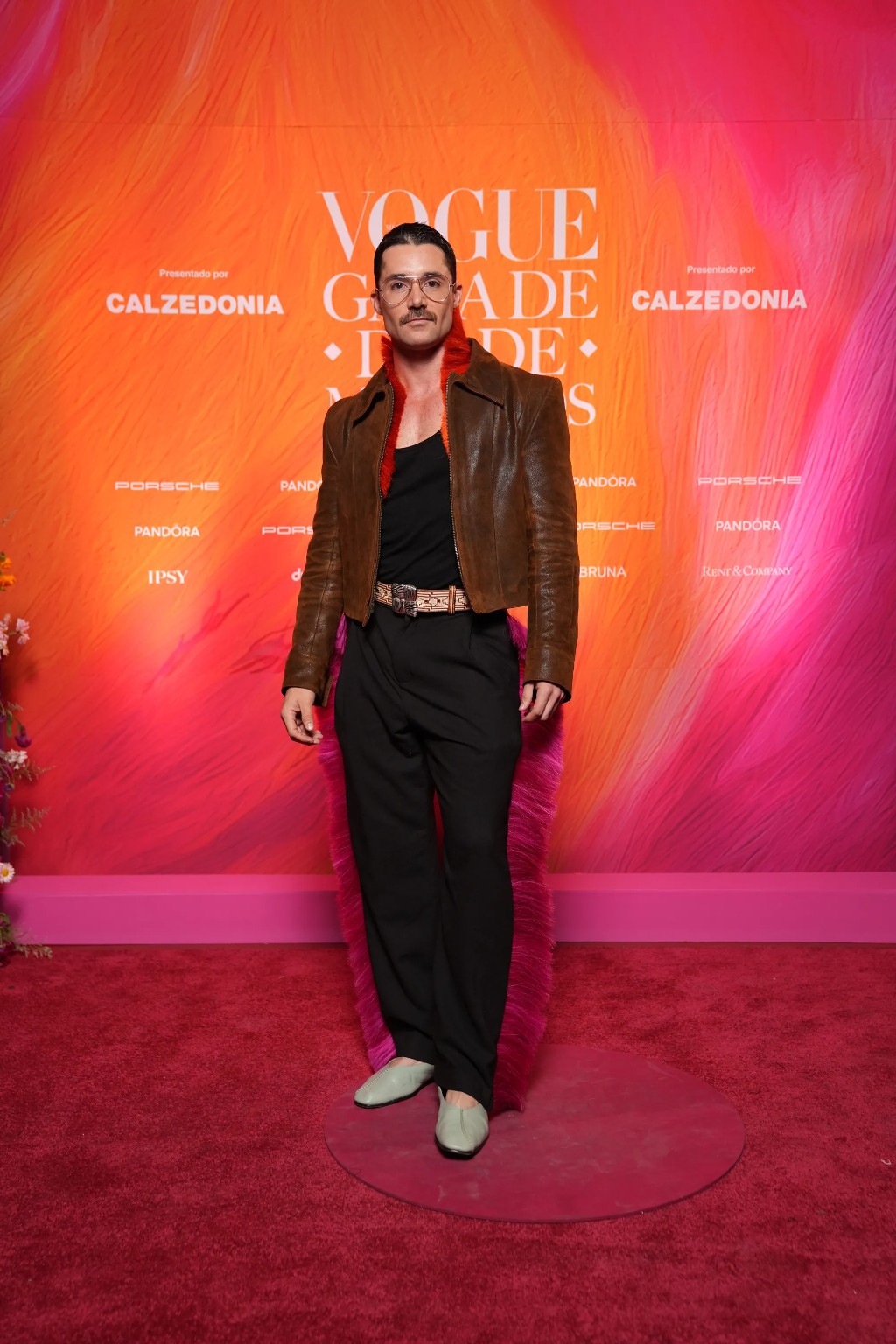
Beyond the individual looks, the evening highlighted the growing space for experimentation within Mexican menswear. Through different personalities and interpretations, CAMPILLO continued to explore how tradition can exist beyond its conventional forms, allowing personal style and cultural identity to come together in new ways.